Cook by the Colors You Crave

Step into the vibrant world of Color-Coded Cooking, where flavors follow a palette and every hue hints at nutrients, moods, and stories. We will explore how organizing meals by color reduces decision fatigue, encourages variety, and turns shopping lists into playful swatches. Expect practical frameworks, science tidbits, and real kitchen anecdotes that make weeknights smoother, plates brighter, and habits easier to stick with, whether you cook solo, with kids, or for a lively crowd.

The Rainbow Plate Framework

Start with a base neutral, add two bright accents, and finish with a dark leafy element for depth. That simple rule yields variety without stress. Keep a small notebook or phone note where you record color combinations that satisfied you, then reuse them when energy is low.

Hue-Nutrient Clues

Use hues as quick clues: reds often suggest lycopene, oranges and yellows hint at carotenoids, greens bring chlorophyll and folate, blues and purples offer anthocyanins. You are not counting grams; you are curating a gallery of protective pigments that cumulatively support energy, immunity, and long-term vitality.

Anecdotes from a Color Journal

One chilly Tuesday, a green-heavy dinner left me sluggish, so I added roasted golden beets the next night and felt surprisingly restored. Writing down these small adjustments taught me patterns quickly, making it easier to pivot midweek without abandoning comfort or overspending on novelty ingredients.

Palette Planning for Everyday Plates

Use a color-first mindset to build meals that balance taste, texture, and micronutrients without complicated calculations. By mapping reds, oranges, yellows, greens, blues, and purples onto your week, you encourage diversity, prevent ruts, and invite joyful experimentation. This gentle structure keeps pantry use efficient, reduces waste, and helps you see gaps instantly, making meal prep calmer and endlessly more creative.

Chromatic Pantry and Fridge Setup

Containers That Guide Choices

Choose stackable glass with colored clips or bands that match your palette days. When Tuesday is green, the matching clips remind you what to grab without thinking. Label sides, not lids, so you can scan at eye level and maintain flow during busy, hungry moments.

Prep Day by Shades

Batch-roast three colors at once on separate trays, then cool and store in coordinated containers. A red tray for tomatoes and peppers, orange for squash and carrots, green for broccoli and beans. Later, combine quickly into bowls, wraps, or soups with minimal effort and zero decision fatigue.

Safety and Freshness Across Palettes

Color organization helps, but food safety still rules. Keep raw proteins isolated regardless of shade, track use-by dates, and place quick-spoiling produce in front-facing containers. This way the eye-catching system respects hygiene, ensuring flavor play never compromises health or confidence when feeding guests or family members.

Shopping With a Spectrum Mindset
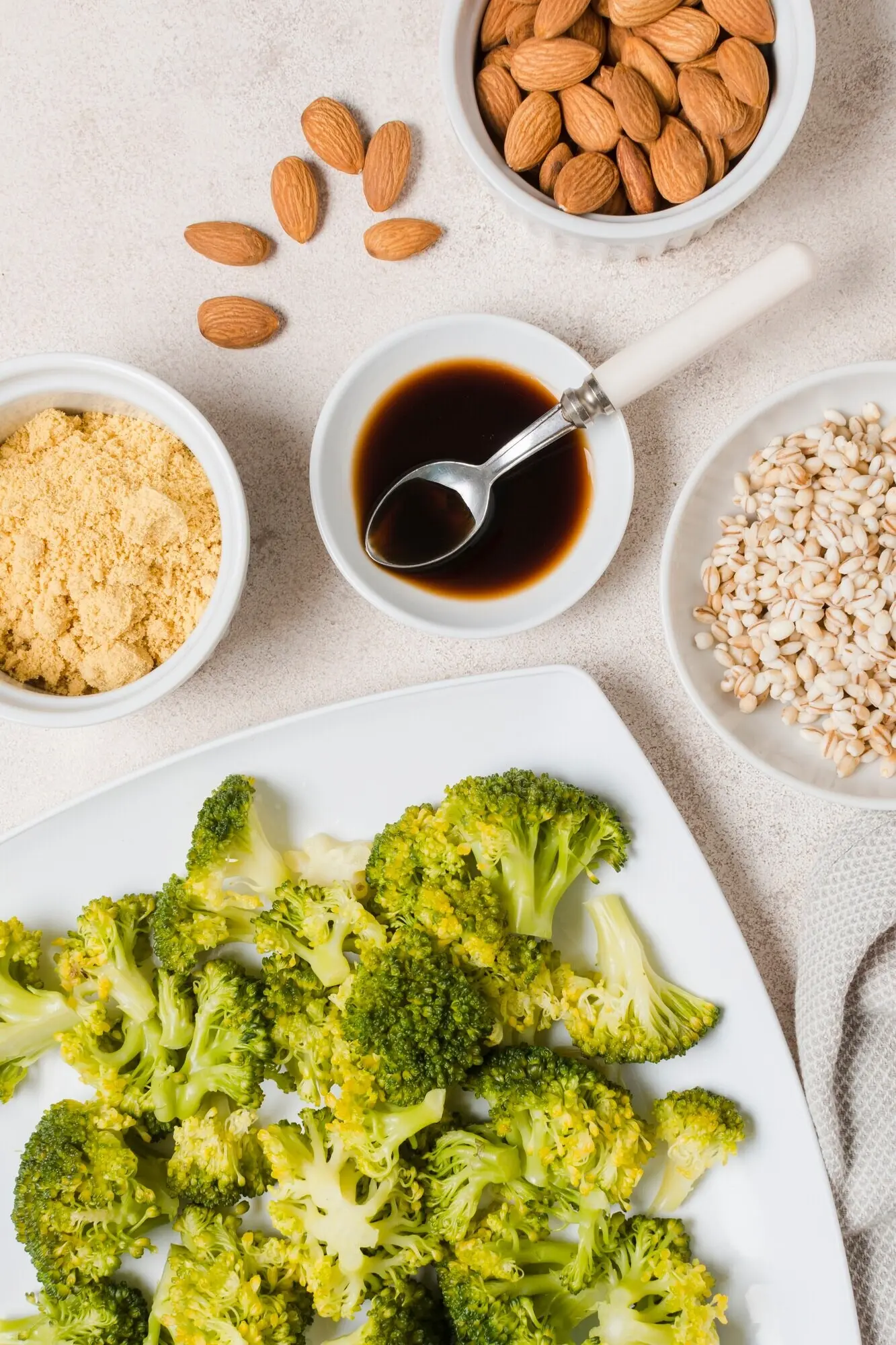
Turn grocery runs into an inspiring scavenger hunt. Start with a palette plan, then let seasonal stalls and sales guide substitutions without losing balance. When one hue is scarce, double another and compensate with herbs or pickled accents, keeping both budget and nutrition in a lively, responsive rhythm.

Cooking Techniques That Protect Pigments

Temperature and time influence how colors behave. Quick high heat can preserve greens, while slow roasting deepens oranges and reds. Acid brightens, alkali dulls. Understanding these levers lets you honor both appearance and nutrition, yielding meals that feel intentional, delicious, and photo-worthy without fuss or preciousness.

Teaching and Gathering Through Color

Games for Curious Eaters
Try Color Bingo at dinner: each square represents a hue plus a texture, like green crunchy or orange silky. Kids become co-creators and proudly check boxes with peas, mango, or cucumber. Over weeks, anxieties fade as discoveries accumulate, and the table transforms into a confident creative studio.

Inclusive Palettes and Accessibility

Consider color blindness and sensory sensitivity by adding labels, icons, and temperature cues alongside hues. Offer tactile choices and clear contrasts on the plate. When everyone can participate with comfort and clarity, the approach becomes more than pretty pictures; it becomes a genuinely welcoming way to cook together.

Cultural Color Stories at the Table

Invite guests to share memories tied to certain colors, like saffron rice at holidays or green chutneys at family gatherings. These stories enrich the meal, lending meaning beyond aesthetics. The practice strengthens bonds, deepens curiosity, and keeps traditions evolving with respect and delicious, personal nuance.

Join the Palette: Challenges and Community

Participation makes habits stick. Try a weekly palette challenge, share your plates, and compare notes about energy, cravings, and time saved. We will feature standout stories, troubleshoot hurdles, and compile seasonal guides. Subscribe, comment, or tag your creations to inspire others and keep your own momentum glowing.

Weekly Swatch Prompts

Every Monday, pick a dominant hue and a contrast, then plan three fast meals that match. Share your outline and swap ideas in the comments. Constraints encourage creativity, and the community feedback loop turns experiments into reliable keepers you can return to when life gets hectic.

A Reader’s Palette Breakthrough

Jasmin wrote that grouping ingredients by color finally ended her five o’clock panic. With green bins for produce and a red box for sauces, she built ten repeatable dinners in one month, cut waste in half, and felt surprisingly proud of weeknight food again.

Xemitenozulifarelo
Privacy Overview

This website uses cookies so that we can provide you with the best user experience possible. Cookie information is stored in your browser and performs functions such as recognising you when you return to our website and helping our team to understand which sections of the website you find most interesting and useful.