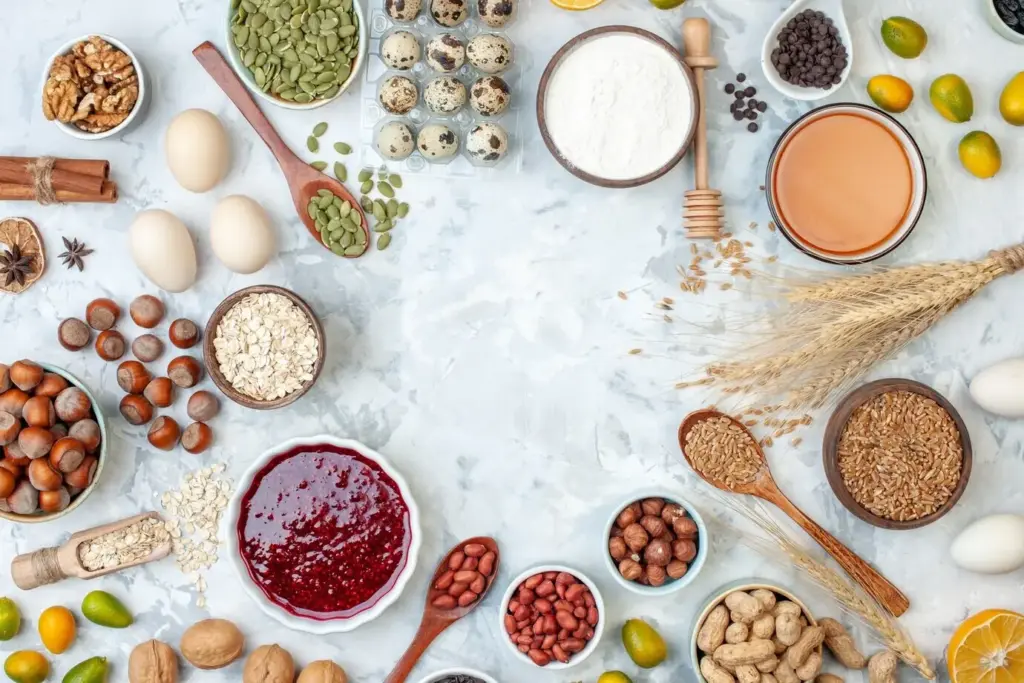
Paint Your Plate: A Vibrant Week of Balanced Eating

Welcome! Today we’re exploring color-based weekly menus for balanced diets, turning everyday meals into a lively spectrum that supports variety, satisfaction, and nutrition. Expect simple structure, practical shopping tips, and playful plating ideas designed to help you eat well without counting every gram.

Why Colors Matter in Nutrition

Colors on your plate are shorthand for plant compounds like lycopene, beta‑carotene, anthocyanins, lutein, and allicin. Planning a week around varied hues nudges diversity without tedious tracking, improves micronutrient coverage, and keeps meals exciting. It also simplifies choices on busy days, protecting balance when willpower dips.

The lift of reds

Tomatoes, watermelon, strawberries, and red peppers bring lycopene and vitamin C, supporting heart health and recovery after exercise. Pair with olive oil for better absorption, and rotate proteins like lentils, eggs, or salmon. Notice how a bold crimson salad can satisfy cravings that usually chase ultra‑processed snacks.

Greens for calm energy

Leafy greens, broccoli, herbs, and kiwi deliver folate, magnesium, and chlorophyll that steady energy and mood. Lightly steam or sauté to keep bitterness gentle, and finish with lemon. Combine with quinoa or chickpeas for staying power, and observe how steady focus replaces midafternoon slumps.

A Week at a Glance

Design each day around a dominant hue while keeping balanced plates: lean proteins, fiber‑rich carbs, healthy fats, and plenty of water. This structure simplifies planning for families, athletes, and beginners. It prevents boredom, reduces waste, and leaves room for treats without disrupting nourishment or joy.

Shopping the Spectrum

Build your cart by color columns, then cross‑check for proteins, grains, and healthy fats. Buying with a spectrum in mind reduces impulse purchases and saves money by prioritizing produce in season. Add frozen backups for convenience, and plan leftovers that transform into next‑day lunches.

Cooking That Protects Color and Nutrients

Gentle methods preserve texture and appeal while keeping vitamins intact. Steam, blanch, roast at moderate heat, and finish with acid to brighten. Alternate raw and cooked preparations to diversify gut‑friendly fibers. Use minimal water, avoid overcooking, and let carryover heat finish delicate vegetables and fish.

Stories from Real Kitchens

Color‑guided planning works in tiny apartments and big families alike. Readers report fewer takeout emergencies, calmer grocery trips, and more curious eaters at home. When meals look lively, conversation follows. Share your outcomes below, and subscribe for weekly inspiration, seasonal swaps, and community taste‑test invitations.

A parent’s playful reset

After work, a parent lined bowls with colorful choices and let kids assemble their own plates. Freedom sparked curiosity, and vegetables disappeared first. Bedtimes got easier, and lunch packing simplified. Photographs posted here encouraged others to try, proving delight can be a practical planning tool.

Student life on a budget

With a tight budget, a student split purchases between fresh deals and frozen staples, then followed a simple color rotation. Stir‑fry bags, eggs, oats, and beans paired with weekly specials. Energy improved, late fees vanished, and friends started cooking together to share flavors and costs.

Office lunch club experiment

Three colleagues chose a different hue each workday and rotated responsibilities. The rule was one vegetable hot, one raw, and one legume or lean protein. Meetings felt sharper, leftovers were coveted, and the break room transformed from vending‑machine stop to joyful midday gathering space.

Track, Tweak, and Thrive

Use a simple journal or notes app to record colors eaten, hunger levels, sleep, and mood. Patterns emerge quickly, guiding adjustments. Swap similar hues when allergies or availability intrude. Invite friends to join challenges, post plate photos, and celebrate progress without perfectionism weighing down momentum.

Customize for preferences and needs

Vegetarian, omnivore, or gluten‑free eaters can follow the same structure by pairing each day’s color with suitable proteins and grains. Use lactose‑free yogurt, tempeh, or sardines as needed. The framework flexes gracefully, honoring culture, budget, and equipment available in your kitchen.

Metrics that guide growth

Beyond weight, track energy, digestion, training output, and how many different plants you eat weekly. A thirty‑plant goal builds diversity in the microbiome. Revisit your notes every weekend, and set tiny experiments for the next seven days to keep improvements rolling.
Xemitenozulifarelo
Privacy Overview

This website uses cookies so that we can provide you with the best user experience possible. Cookie information is stored in your browser and performs functions such as recognising you when you return to our website and helping our team to understand which sections of the website you find most interesting and useful.