Eat the Rainbow, Feel the Difference

Color on your plate is more than decoration; it signals powerful phytonutrients linked to heart strength, sharper thinking, steadier energy, and glowing skin. Today we explore Eat the Rainbow: Nutritional Benefits of Each Food Color Group, with smart cooking tips, simple swaps, and stories that make healthy choices irresistible. Bring your curiosity, a splash of appetite, and an openness to experiment as we turn everyday meals into vibrant, nourishing experiences worth sharing and repeating.

What the Colors Reveal Inside Your Produce

Behind every bright peel and jewel-toned flesh lies a family of compounds shaping how you feel, perform, and recover. Reds often carry lycopene and anthocyanins for cellular support, oranges and yellows bring carotenoids that transform into vitamin A, greens pack folate and detox-friendly glucosinolates, blues and purples brim with anthocyanins that defend cognition, while whites hide allicin and quercetin for resilience. Understanding these pigments helps you build plates that look beautiful, taste exciting, and steadily nourish your goals without fuss.

Red Signals Resilience

From tomatoes to watermelon, red produce frequently concentrates lycopene and supportive polyphenols linked with heart harmony and skin defense. Heat can make lycopene more available, turning a simple simmer into a nutrition upgrade. Add a little olive oil, and those fat-soluble compounds absorb better. Beyond science, red foods invite appetite and celebration, reminding us that joyful, bold plates often inspire consistency, which quietly sustains wellbeing far longer than strict rules ever could.

Orange and Yellow Light the Way

Carrots, sweet potatoes, mangoes, and golden peppers carry carotenoids like beta-carotene, lutein, and zeaxanthin. Your body can convert beta-carotene into vitamin A for night vision and immune vigor, while lutein and zeaxanthin settle into the eye’s macula, filtering blue light. Pair them with nuts, tahini, or avocado to aid absorption. Their sunny glow hints at warmth and comfort, coaxing even cautious eaters to taste, explore, and build sustainable habits that support energy and focus throughout busy weeks.

Green Means Go, and Grow

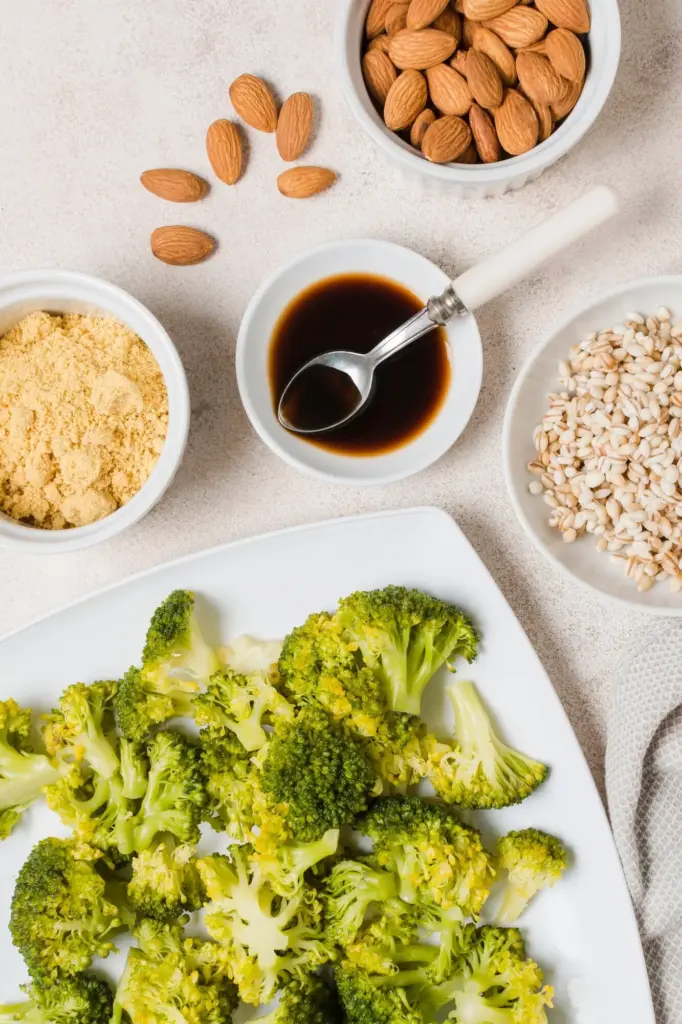
Leafy greens and crucifers are nutrient multitaskers, stacking folate, vitamin K, magnesium, and phytonutrients that assist natural detox pathways. Broccoli and kale contain precursors to sulforaphane; a quick chop and brief rest can boost formation before cooking. Greens calm the plate visually, balancing richer colors and heavier textures while grounding meals with mineral depth. Everyday greens do not shout; they quietly adapt to soups, smoothies, and sautés, delivering reliable nourishment without demanding special techniques or complex recipes.

Red Plates, Strong Hearts

{{SECTION_SUBTITLE}}

Tomatoes, Lycopene, and a Drizzle of Oil

Simmered or roasted tomatoes deliver lycopene in a more accessible form, and a spoon of olive oil helps ferry it across the gut wall. Build a quick pan sauce with garlic and basil, or slow-roast cherry tomatoes until they shrivel and sparkle. Freeze leftovers in small jars for instant depth on rushed nights. This simple ritual turns ordinary pasta, grains, or eggs into vibrant comfort, encouraging steady eating patterns that strengthen wellbeing without perfectionism.

Strawberries, Seasonality, and Real Sweetness

Peak-season strawberries carry concentrated aroma and balanced tartness, bringing delicate polyphenols along for the ride. Keep their crowns on until rinsing to reduce waterlogging, and store on paper towels in a breathable container. Whirl leftovers into yogurt or freeze for quick smoothies. The first bite of a sun-warmed strawberry evokes picnics, unhurried walks, and laughter, reminding us that delight can be a nutrition strategy, because delicious habits outlast rigid plans and make wellness feel personal, doable, and fun.

Sunny Hues for Eyes, Skin, and Immunity

Orange and yellow foods bring the glow: carrots, pumpkins, apricots, mangoes, and golden peppers brighten meals while supporting vision, barrier function, and immune readiness. Their carotenoids play well with healthy fats, and their sweetness helps families embrace vegetables without negotiations. Try mixing roasted cubes of squash into quinoa, layering mango over cottage cheese, or blitzing carrots into a silky soup. These sunlit bites reduce decision fatigue, replacing nutrition math with reliable, colorful habits shaped by comfort, convenience, and genuine pleasure.

Carrots, Fats, and a Silky Spoonful

Carotenoids ride best with fat. Sweat carrots in olive oil, add stock, and blend until lush; top with pumpkin seeds or yogurt for texture. Raw carrots crunch cheerfully with hummus, while roasted sticks sweeten at the edges. Choose rainbow varieties to diversify phytonutrients. Small rituals—prepping snack bags, keeping cut carrots in cold water, or roasting a tray on Sunday—empower busy weeks and ensure vibrant nourishment is the easiest, most appealing option when time and energy run thin.

Mango and Papaya for Tropical Ease

Mango and papaya invite sunshine into breakfast bowls and salads. Their carotenoids support skin, while enzymes like papain tenderize proteins and may aid comfortable digestion for some people. Toss mango with lime and chili for sparkle, blend papaya with kefir for a creamy, tangy sip, or spoon chilled cubes over fish tacos. Their luscious textures satisfy dessert cravings, turning nutrient-dense choices into treats that feel indulgent, supportive, and refreshingly simple to prepare even on a hectic weekday evening.

Golden Peppers and Zesty Vitamin C

Yellow and orange bell peppers deliver vitamin C alongside carotenoids, adding crunch and citrusy lift to wraps, salads, and quick sautés. Slice them raw to preserve fragile vitamin C, or cook lightly for sweetness. Pair with chickpeas and feta, scatter over a frittata, or fold into couscous with lemon. Their sunny bite awakens appetite, helps balance richer dishes, and encourages playful plating that draws friends and family to the table, sparking conversation, curiosity, and a shared commitment to colorful eating.

The Many Shades of Green Energy

Greens refresh minds and bodies with minerals, chlorophyll, and protective compounds. From peppery arugula and tender spinach to sturdy kale and fibrous broccoli, each leaf and floret plays a role. Chop crucifers and wait a few minutes before cooking to encourage sulforaphane formation. Layer raw leaves under grains for warmth-wilted salads, blitz handfuls into pesto, or sauté with lemon and garlic. Greens deliver momentum: when they show up, meals feel lighter yet satisfying, powering productivity without post-lunch sluggishness.

Blues and Purples for Brain and Balance

Blueberries, blackberries, plums, purple cabbage, and black rice bring anthocyanins linked with cognitive support, vascular comfort, and graceful aging. Their moody hues pair beautifully with nuts, yogurt, and dark chocolate, making nourishing choices feel luxuriously satisfying. Think jewel-toned slaws beside grilled fish, blueberry oats on a chilly morning, or a warm bowl of black rice with sesame and citrus. These colors turn routine meals into memorable moments that motivate consistency, spark conversation, and invite friends to explore vibrant eating together.

Neutral Tones, Powerful Protection

White, tan, and brown foods may look subtle, but they deliver serious benefits. Garlic and onions bring allicin and quercetin, mushrooms offer ergothioneine and vitamin D when sun-exposed, and cauliflower hides versatility under a gentle personality. These tones are the bass line of meals, grounding bright produce with savory depth. They help you build satisfying plates that protect comfort, budget, and time, proving that quiet choices can still sing loudly for immunity, resilience, and everyday, repeatable pleasure at the table.

A Market Basket That Guides Without Rules

Create a flexible checklist: two reds, two oranges or yellows, three greens, two blues or purples, and two neutrals. Adjust for sales and seasonality, and buy imperfect produce for budget-friendly soups and sauces. This basket becomes your compass, nudging you toward variety without pressure. Snap a photo of your haul, tag a friend, and trade ideas. The more playful you make this ritual, the more likely colorful choices become automatic, comforting, and woven into weekly rhythms.

Cooking Methods That Protect Color and Flavor

Steam lightly, roast hot and fast, or sauté quickly to preserve vibrancy and texture. Combine raw and cooked elements on the same plate for contrast and breadth of nutrients. Add fats judiciously to help absorb carotenoids, and finish with acids—lemon or vinegar—to sharpen flavors. Keep spices nearby, and batch-cook grains for easy assembly. This approach reduces decision fatigue, saves time, and helps you celebrate each color’s strengths without elaborate techniques, keeping your kitchen welcoming, efficient, and delicious.

Family Play, Color Challenges, and Shared Wins

Make dinner a color quest: each person picks a hue to add, then votes on favorite combos. Keep a chart on the fridge and celebrate streaks with simple rewards like a picnic or a new spice. Ask readers for their best rainbow hacks, reply with your own experiments, and subscribe to join seasonal challenges. Turning nutrition into a game shifts focus from restriction to discovery, making colorful plates feel like creativity, connection, and a kind of everyday celebration.

Xemitenozulifarelo
Privacy Overview

This website uses cookies so that we can provide you with the best user experience possible. Cookie information is stored in your browser and performs functions such as recognising you when you return to our website and helping our team to understand which sections of the website you find most interesting and useful.